


For generations, society has often confined women’s strength to the private sphere—celebrating them as resilient mothers and supportive partners while overlooking their immense leadership potential. Yet leadership has never been defined by gender. It is defined by vision, results, and the ability to inspire change.
Today, this narrative is shifting. Around the world, women are proving that when given the opportunity to lead, they do so with excellence, responsibility, and a deep commitment to transformation. Their leadership goes beyond personal success; it contributes to stronger institutions, empowered communities, and more inclusive nations.
In Liberia, women have increasingly played a vital role in redefining governance, diplomacy, and national development. Their resilience and competence continue to shape the country’s progress and international reputation.
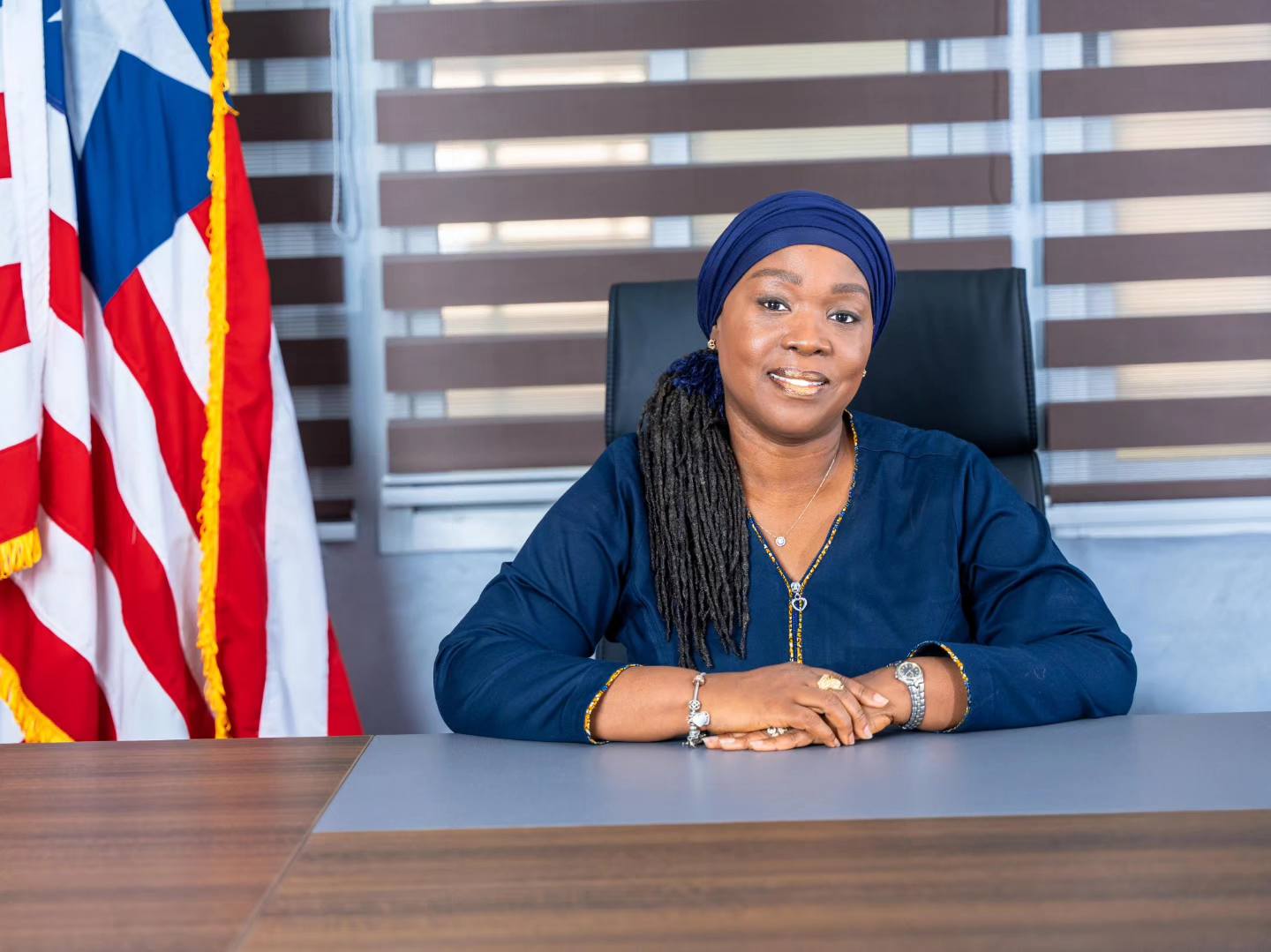
Among the women contributing significantly to this transformation is Sara Beysolow Nyanti, Liberia’s Minister of Foreign Affairs. Her leadership demonstrates that women are not merely participants in governance—they are catalysts for change.
Minister Nyanti’s appointment in 2024 marked an important moment in Liberia’s diplomatic evolution. Taking the helm of the Ministry of Foreign Affairs of Liberia, she stepped into a role that carries both national responsibility and international visibility.
Since assuming office, Nyanti has worked to strengthen Liberia’s diplomatic engagement by expanding partnerships, deepening bilateral relations, and advancing the country’s foreign policy priorities. Through her leadership, Liberia has reaffirmed its commitment to international cooperation, peacebuilding, sustainable development, and strategic global partnerships.
Her presence on the international stage has reinforced Liberia’s voice in global affairs and positioned the country as a respected and active diplomatic partner.
Beyond policy discussions and official meetings, Nyanti has introduced a renewed spirit within Liberia’s diplomatic service—one grounded in professionalism, accessibility, and inspiration. Her leadership style blends experience with a forward-looking vision, a combination that has resonated strongly with many young people, particularly aspiring diplomats.
Minister Nyanti’s journey—from international civil service to national leadership—reflects resilience, competence, and visionary direction. Her story highlights a critical truth: leadership does not belong to one gender. It belongs to those willing to serve with integrity, stand firm during challenges, and lead with purpose.
Women have demonstrated these qualities for generations in homes, communities, and professional spaces. What many have lacked is not capability, but access to opportunity and equal recognition.
Discussions about gender inequality continue to reveal how deeply bias still exists in leadership spaces. In many academic and professional environments, women remain underrepresented or overlooked when leadership opportunities arise.
This reality became clear during a graduate school discussion on gender inequality, where students shared experiences illustrating how women are often marginalized in decision-making spaces. The conversation reinforced that gender inequality is not simply a historical issue—it remains a present-day challenge.
Personal experiences often mirror this broader reality. Leadership roles can become testing grounds where women must prove themselves repeatedly, sometimes facing resistance simply because of their gender.
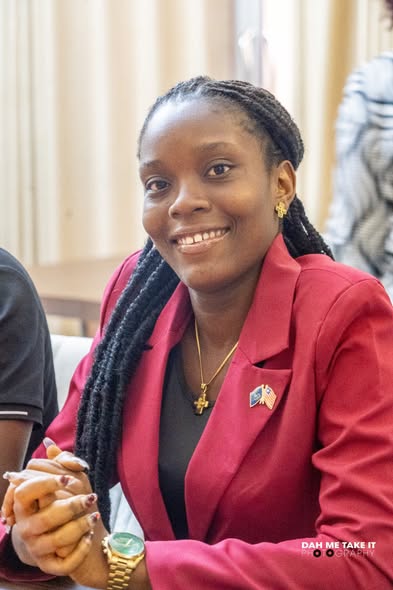
One such experience occurred during a student election at United Methodist University, where serving as an election commissioner required resilience and determination. Despite facing intimidation and skepticism—particularly from male students who questioned the legitimacy of a woman in that role—the responsibility remained clear: ensure that the election process was conducted fairly and successfully.
Staying focused on that responsibility ultimately proved an important lesson: leadership is defined by competence and courage, not gender. Experiences like these reflect the broader journey many women face when they step into leadership. Doubt, resistance, and societal expectations often accompany their progress. Yet overcoming these challenges also builds stronger leaders.
Women who rise through adversity develop resilience, confidence, and an unwavering sense of purpose. Their journeys inspire others and reinforce a simple but powerful truth: women belong in leadership.
The visibility of women in leadership roles carries profound impact. When young girls see women leading institutions, negotiating international agreements, or shaping national policies, it expands their understanding of what is possible.
Women leaders become living symbols of opportunity. They challenge stereotypes, open doors for others, and create pathways for future generations to follow.
In Liberia and across the world, leaders like Sara Beysolow Nyanti demonstrate that women’s leadership is not an exception—it is an essential part of building stronger societies.
True progress cannot occur when half of a population is excluded from positions of influence. Redefining leadership means recognizing the full value of women’s contributions to governance, diplomacy, and development.
Women are not simply participants in progress—they are drivers of transformation.
When women lead, they bring balance, innovation, and strength. Empowering women in leadership is not only about equality; it is about building a more inclusive, sustainable, and prosperous future for everyone.
As the world observes International Women’s Day, stories like these remind us that the future of leadership is not defined by gender, but by courage, vision, and the determination to serve.


