


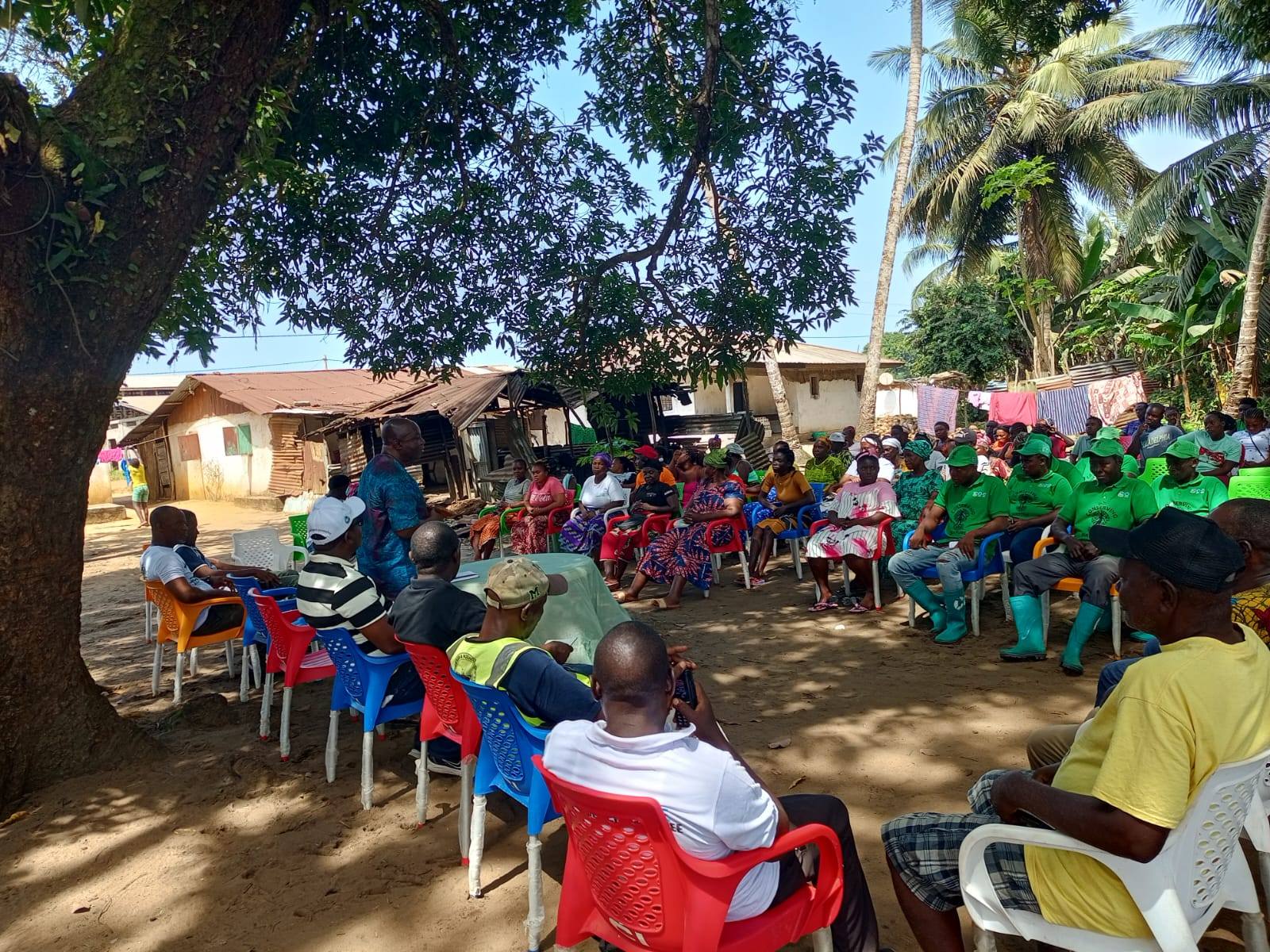
Rivercess County, Liberia — The recent field visit by Environmental Protection Agency (EPA) Deputy Executive Director for Technical Services, Dweh S. Borley, to communities in the Cestos Cluster raises emerging questions about how effectively Liberia’s Natural Capital Accounting (NCA) Project translates from policy into people-centered environmental practice.
The engagement, carried out jointly by the Project Steering Committee (PSC) and Technical Advisory Committee (TAC), aimed to monitor progress on the NCA initiative — a program implemented by Conservation International (CI) and national partners to improve how Liberia measures, values, and manages its natural assets. While the discussions focused on community participation and environmental protection, observers note that the success of such programs ultimately depends on whether local residents meaningfully benefit from data-driven conservation or remain passive recipients of donor projects.
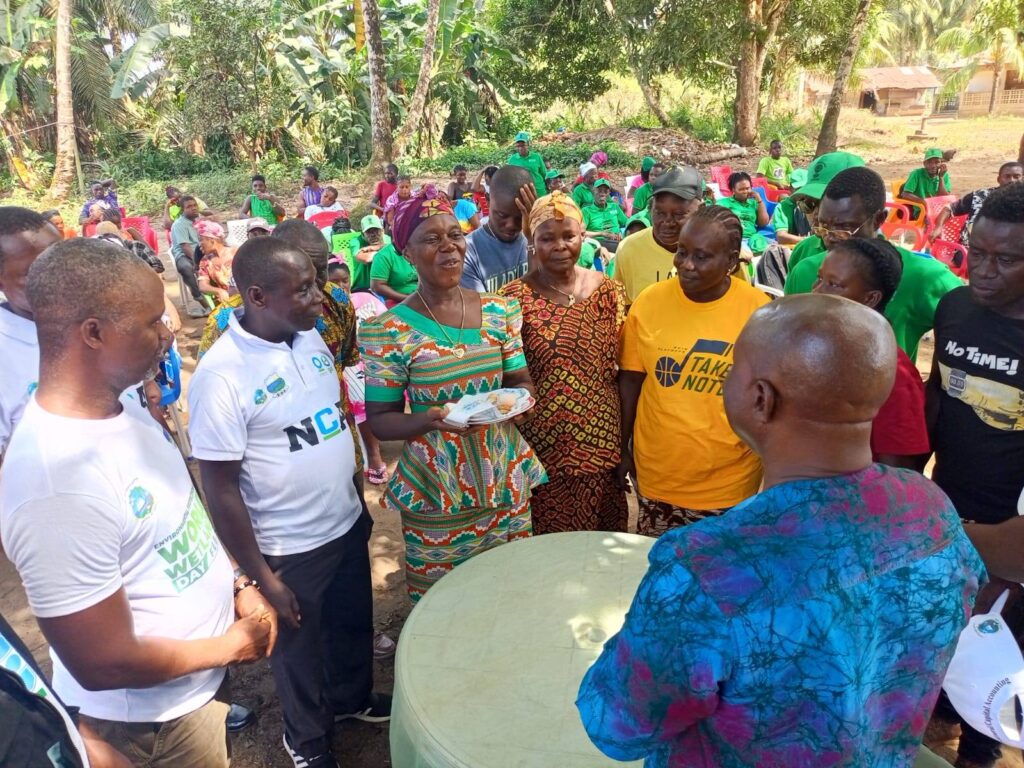
During his dialogue, Mr. Borley emphasized shared responsibility in protecting forests, water sources, and biodiversity. “Environmental protection is not only the responsibility of government; it’s a shared duty,” he told residents. The message resonated — yet it underscored a broader issue: how inclusive and accountable are national environmental programs toward the very communities they aim to empower?
Community members welcomed the NCA project’s awareness-raising efforts but hinted at gaps between project objectives and on-the-ground impact, particularly in resource management and livelihood integration. The EPA’s continued presence through local inspectors, including Steven Dweh in Rivercess, provides oversight, but sustained impact may require stronger community ownership and transparent follow-up mechanisms.
For now, the NCA Project represents a crucial step in building Liberia’s environmental intelligence — yet the real test lies ahead: can Natural Capital Accounting move beyond numbers to ensure that environmental value translates into community value?


