


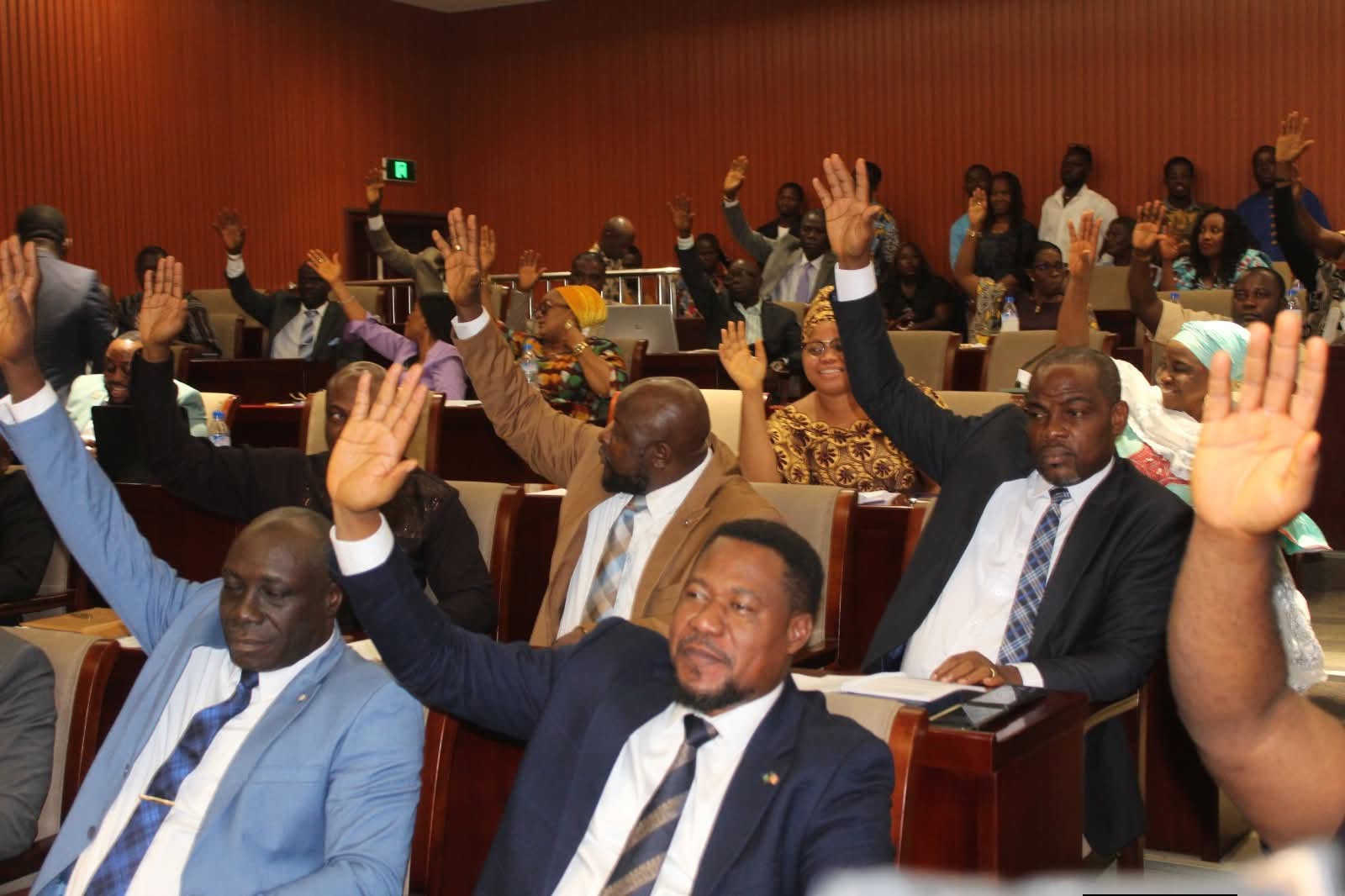
MONROVIA, Liberia — Liberia has taken a significant step toward strengthening its innovation ecosystem and aligning its legal framework with international standards after the House of Representatives ratified six major intellectual property treaties and protocols designed to protect creators, inventors, researchers, and traditional knowledge holders.
The legislative action signals a growing recognition of intellectual property as a key driver of economic development, technological advancement, cultural preservation, and agricultural innovation.
Lawmakers approved the agreements following recommendations from a Joint Committee comprising the Committees on Commerce and Industry; Gender, Equity, Child Development and Social Services; Agriculture and Fisheries; Information, Broadcasting, Cultural Affairs and Tourism; Judiciary; and Foreign Affairs.
According to the Joint Committee’s report, the ratification of the international instruments will modernize Liberia’s intellectual property regime while creating stronger legal protections for artists, innovators, entrepreneurs, scientists, plant breeders, and communities that preserve indigenous knowledge.
The House voted to ratify six international agreements, including the African Regional Intellectual Property Organization (ARIPO) Kampala Protocol on Voluntary Registration of Copyright and Related Rights, adopted in Uganda in 2021. The protocol aims to strengthen copyright protection and provide creators with improved mechanisms for safeguarding their work across member states.
Lawmakers also approved the ARIPO Arusha Protocol for the Protection of New Varieties of Plants, adopted in Tanzania in 2015, along with the Convention of the International Union for the Protection of New Varieties of Plants (UPOV), a global framework designed to encourage agricultural innovation through the protection of newly developed plant varieties.
In addition, the House ratified the World Intellectual Property Organization (WIPO) Treaty on Intellectual Property, Genetic Resources and Associated Traditional Knowledge, adopted in Geneva in 2024. The treaty seeks to improve transparency in patent systems while recognizing and protecting traditional knowledge linked to genetic resources.
The legislature further endorsed two major international copyright instruments: the WIPO Performances and Phonograms Treaty (WPPT) and the WIPO Copyright Treaty (WCT), both adopted in Geneva in 1996. These agreements establish modern protections for performers, musicians, producers, authors, and other rights holders in the digital age.
Members of the Joint Committee emphasized that participation in these international frameworks would strengthen Liberia’s competitiveness by creating a more secure environment for investment, innovation, and creative enterprise.
The committee noted that stronger intellectual property protections can encourage research and development, attract foreign investment, promote entrepreneurship, and support the growth of industries ranging from agriculture and technology to entertainment and cultural production.
The report also highlighted the importance of protecting traditional knowledge and indigenous innovations, arguing that local communities should benefit from the recognition and responsible use of their cultural and biological resources.
Committee members concluded that ratifying the agreements would position Liberia alongside countries that have embraced international standards designed to encourage creativity, technological advancement, and sustainable economic development.
Following debate and consideration of the report, members of the House unanimously endorsed the recommendations and approved all six instruments.
The ratified protocols, conventions, and treaties have now been forwarded to the Liberian Senate for concurrence, the next step required before the agreements can be fully incorporated into Liberia’s legal and regulatory framework.
If approved by the Senate, the agreements are expected to provide stronger protections for intellectual property rights while opening new opportunities for innovation, investment, and economic diversification across Liberia.


